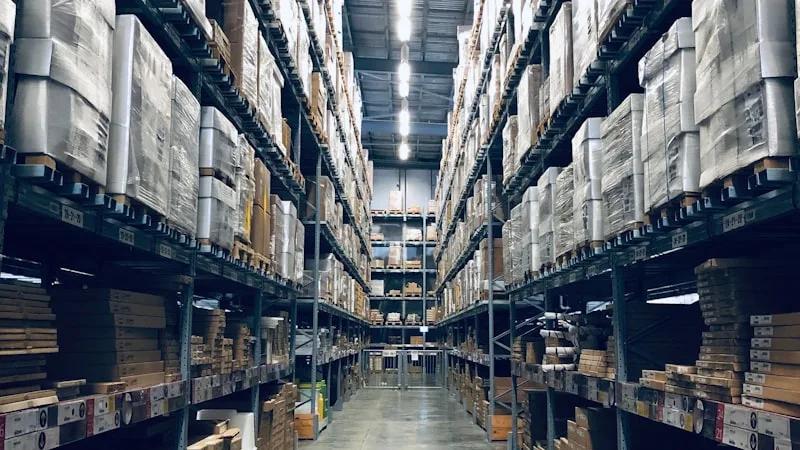
A warehouse runs on a lot of small things going right: the forklift serviced on time, packaging materials in stock before the shift needs them, and a stock count that matches what's actually on the shelf. Fixeets gives warehouse and logistics teams a single system in Google Sheets to reconcile inventory without a dedicated WMS, set safety-stock levels for consumables and spare parts, and keep equipment maintenance schedules visible to the whole team. Everyone works from the same up-to-date record, so the picture stays clear across the operation.
Stock accuracy at the shelf.
Equipment reliability in the yard.
Warehouse stock accuracy.
Count, adjust, and reconcile inventory without a dedicated WMS. Know what's on the shelf, what's committed to orders, and what needs replenishing.
No Dedicated WMSShelf CountsOrder CommitmentsFleet and equipment maintenance.
Schedule service by date for vehicles, forklifts, and handling equipment. Keep maintenance records accessible to the whole team instead of on scattered paper logs.
Forklift ServiceMaintenance RecordsWhole-Team AccessSafety-stock alerts.
Set safety-stock levels for packaging materials, consumables, and spare parts. Get an alert before you run short so orders go out on time.
Safety StockPackaging & ConsumablesOn-Time OrdersShared operational record.
Keep stock states and open issues current in one shared record, so whoever comes on next sees the same up-to-date picture. Replace verbal briefings with a record everyone can see.
Shared RecordAlways CurrentClear Handover
Warehouse and logistics teams typically have stock and maintenance tracking running within a day. Connect Google Workspace, load your current shelf locations and SKU list into the generated template, and give shift leads edit access. Counting inventory or logging a forklift service becomes part of the existing routine rather than a new task bolted on top. As volume grows, the same structure scales to additional shelves, depots, or vehicles without re-platforming.
FAQs
Can Fixeets work in place of a full WMS for a smaller operation?
For small and mid-sized warehouse operations, Fixeets covers the core of what a WMS does: stock counts, safety-stock levels, and shared visibility, without the licensing cost or implementation timeline. Larger, high-throughput operations with complex slotting and automation will still want a purpose-built WMS.
How does the team stay aligned between shifts?
Stock states and open issues live in one shared record that the team updates as they go, so whoever comes on next sees the current picture rather than relying on a verbal handover. There's no separate shift log to keep; the record is simply always up to date.
Can equipment maintenance for forklifts and vehicles sit alongside stock tracking?
Yes. Inventory and maintenance are interlinked in Fixeets, and on mobile and the web you see both in one place, so a forklift's service schedule and the packaging-material safety-stock levels are a glance apart rather than in two separate tools.
What happens when packaging materials or consumables run low?
When an item drops below the safety-stock level you set, Fixeets flags it so you can place an order in time. That gives enough lead time to reorder before a shift is held up waiting for packaging materials that should have been ordered days earlier.